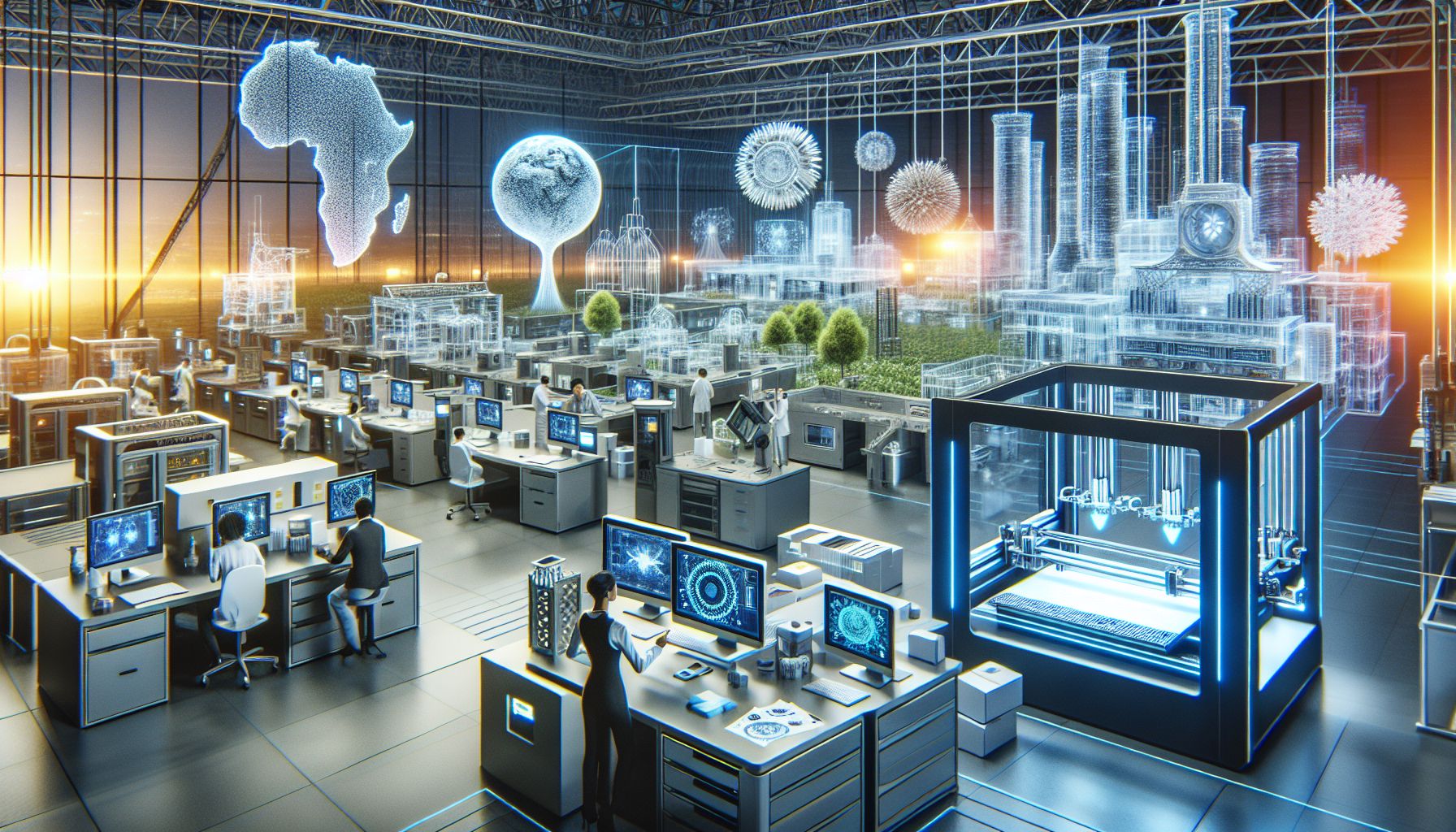
Printing, often seen as a traditional and somewhat staid sector, is hardly the first place one might look to for disruptive new trends or groundbreaking innovation. Yet, the industry is experiencing a shake-up, both in how it operates and in what it produces.
In this rapidly advancing digital age, it’s understandable to assume that traditional printing might be left behind. However, modern developments in technology have instead been stimulating evolution in the sector: we’re seeing improved efficiencies, advanced techniques and a move towards more sustainable practices.
Today, in this article, we’ll delve into some of the trends that are set to define the printing industry in the near future. We’ll explore how the landscape is dramatically shifting, and discuss how these changes might affect multiple sectors.
Personalization
A Boom in Variable Data Printing
One of the most notable trends in the printing industry today is the increasing demand for personalization. This trend is particularly apparent in the rise of Variable Data Printing (VDP). VDP enables the mass customization of documents, with text and graphics changing from one print to the next without slowing down the printing process.
This development reflects a broader marketing trend, where businesses increasingly adopt more targeted and personalized approaches. According to a study by Accenture, 91% of consumers are more likely to shop with brands who recognize, remember and provide relevant offers and recommendations to them. Variable Data Printing plays a significant role in enabling businesses to meet this demand in a detailed and engaging manner.
Eco-friendly Practices
A Greener Future for the Printing Industry
Sustainability is no longer a fringe concept, but a key determinant of success, across industries. Consumers and businesses alike are placing increased importance on green practices, and the printing industry is transforming, in turn, to meet this shift in demand.
In the printing sector, eco-friendliness can be achieved through the use of environmentally friendly inks, recycled paper and energy-efficient printing practices. We’re also witnessing an increased focus on the overall lifecycle of print products, including packaging that can be recycled or composted.
Digital Printing
Continued Dominance of Digital Printing
Digital printing continues to drive significant changes in the industry, the benefits of which show no sign of waning. Digital technology brings about faster turnaround times, higher quality prints and lower costs, underlining its enduring appeal for businesses. Additionally, it facilitates the personalization trend discussed earlier, as it easily accommodates on-demand printing and customization.
3D Printing
The Rise of 3D Printing
The potentials of 3D printing continue to capture imaginations, as the technology matures and becomes more accessible. What was once the preserve of high-budget projects or specialist industries is now entering mainstream consciousness, finding application in numerous sectors, from medical and automotive to fashion and art.
As 3D printing technology becomes increasingly affordable and user-friendly, its disruptions in manufacturing processes and production timelines are set to continue, and will undoubtedly impact the wider printing industry.
Security
Printing with Security in Mind
With the increasing rates of forgery and counterfeiting, the demand for secure printing solutions is on the rise. Companies are leveraging technologies like micro-printing, guilloché patterns, holograms, and even QR codes to enhance the security of their printed materials. It’s a trend set to accelerate, as businesses and consumers alike place an ever greater premium on security and authenticity.
The Integration of AR and VR
The Intersection of Printing and Technology
The worlds of print and technology are becoming increasingly entwined, as observed with the rise of augmented reality (AR) and virtual reality (VR) in the printing industry. AR enhances the print experience by bringing static images to life, while VR allows consumers to interact with products before they’re physically produced. This integration of technology opens up limitless possibilities, transforming the way businesses envision and utilize printed materials.
In Conclusion
The printing industry, like many others, is undergoing significant changes in response to evolving digital trends and shifts in societal attitudes. Far from being left behind in the digital revolution, it’s continually adapting, leveraging modern technology to enhance its processes and cater to new consumer demands.
With focused investment on trends like personalization, eco-friendly initiatives, digital and 3D printing, security, and the incorporation of AR & VR, the future of the print industry promises to be dynamic and innovative.
While keeping up with these trends might seem daunting, those who are able to pivot and evolve with the industry will undoubtedly reap the benefits. The key to success lies in embracing these emerging trends, and leveraging them to meet the changing needs of consumers and businesses. As with all industries, those who fail to adapt may find themselves left behind, while those who embrace change are likelier to thrive.
So, watch this space. The print industry certainly has exciting times ahead.